How Coastal Weather and Salt Air Affect Tree Health in Long Beach, NY
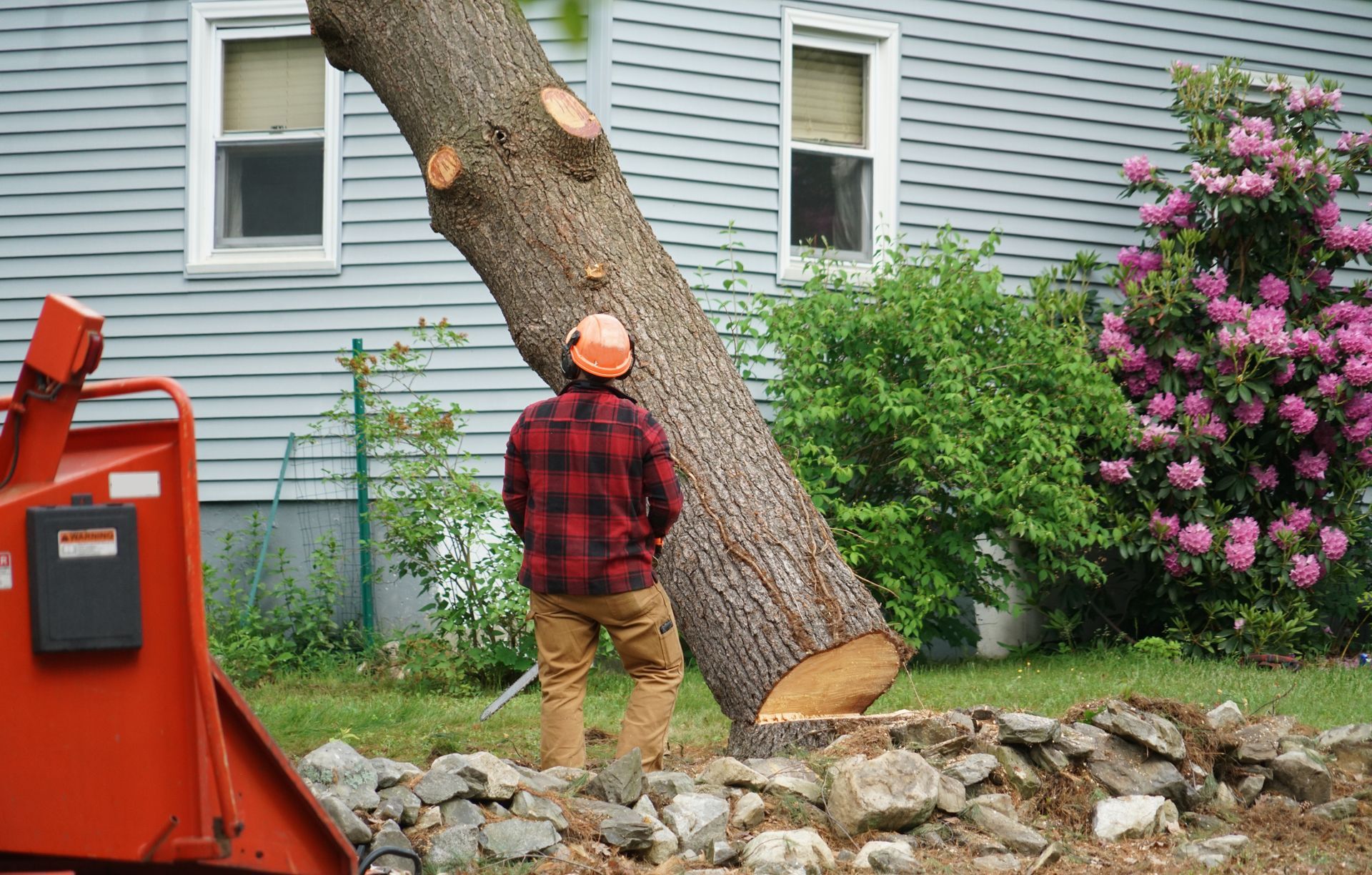
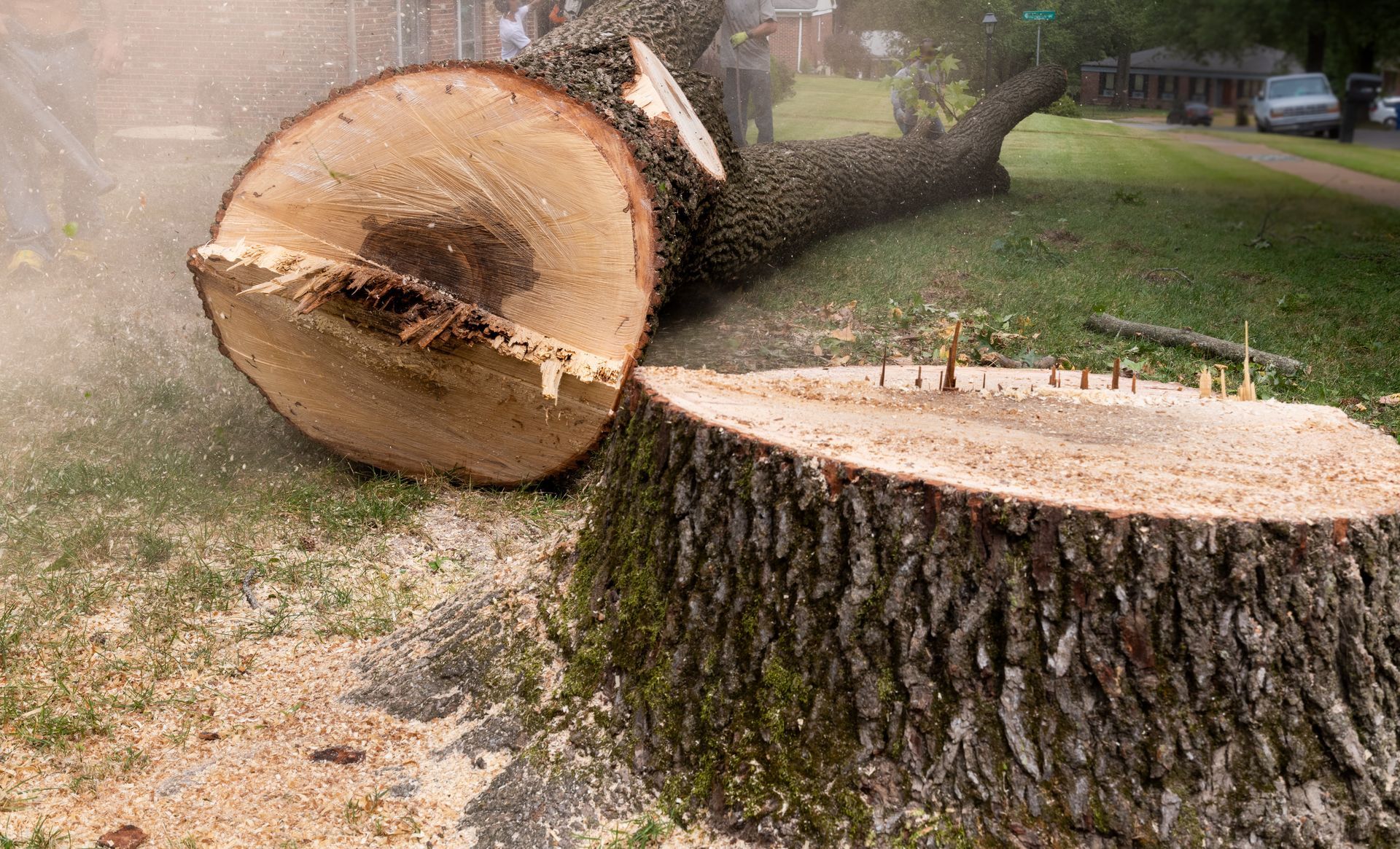
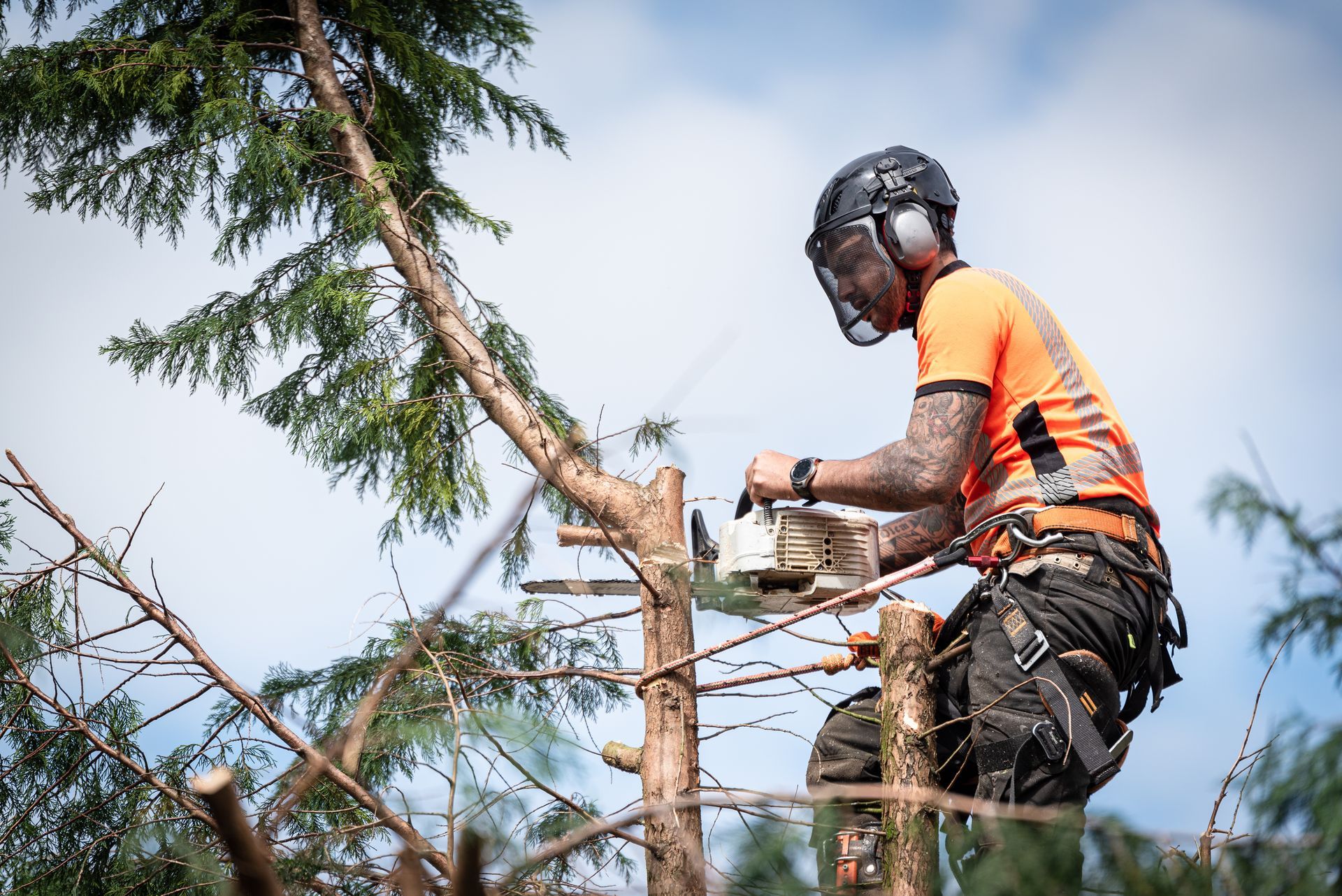
Living on a barrier island brings Long Beach, NY, homeowners beautiful waterfront scenery and some of the harshest conditions for residential trees. Coastal weather patterns, relentless salt air, and powerful Atlantic storms take a steady toll, and recognizing damage early can mean the difference between saving a tree and needing residential tree removal in Long Beach, NY.
How Salt Air Damages Trees on Long Beach's Barrier Island
Salt spray is the most persistent threat trees face in Long Beach, NY. The city sits on a narrow barrier island between the Atlantic Ocean and Reynolds Channel, meaning salt-laden air reaches nearly every yard regardless of how far back from the beach a home may sit.
When saltwater droplets land on leaves and bark, the water evaporates and leaves behind concentrated salt crystals that burn leaf tissue, producing the brown, scorched edges you may have already noticed. Over time, salt accumulates in the sandy soil, where it competes with nutrients trees need to survive. Roots absorb more harmful sodium instead of essential minerals, and the tree weakens from the ground up.
Sandy soils drain rapidly, offering almost no buffering capacity against salt buildup. A tree stressed by salt also becomes more attractive to insects and more vulnerable to fungal infection, accelerating its decline. In severe cases, residential tree removal in Long Beach, NY, becomes the only safe path forward. If you are unsure where your trees stand,
tree service in Long Beach, NY is a good place to start.
Which Tree Species Are Most Vulnerable in Long Beach, NY?
Not all trees handle salt air the same way. Trees with thin bark suffer more extensive injury from salt spray because the protective layer between the outer environment and living tissue is easier to penetrate. Deciduous trees show salt stress through early fall coloration, smaller leaves with scorched margins, thin crowns, and dying twigs. Conifers like Eastern White Pine are particularly sensitive, making them high-risk choices for yards close to the water and frequent candidates for residential tree removal in Long Beach, NY.
Species that tend to perform better include Eastern Red Cedar and certain native oaks, which evolved to handle sandy soils and Atlantic wind events. Homeowners planting after a removal may want to discuss species selection with a certified arborist to avoid repeating the same problem.
The Role of Coastal Storms and Wind in Tree Stress
Coastal winds compound salt damage significantly. Long Beach faces direct Atlantic exposure during nor'easters and tropical storm remnants, which regularly bring down major limbs and whole trees. High winds accelerate water loss through already-damaged leaf surfaces, leaving trees in constant moisture stress even when rainfall has been adequate.
Storm surge from events like Superstorm Sandy demonstrated how saltwater flooding can kill trees that had survived decades of exposure. When the root zone floods with saltwater, the tree loses its ability to transport water and nutrients. Trees that appear to survive a major storm can decline steadily over the following one to two growing seasons before homeowners realize the damage was permanent. This pattern is one of the most common reasons residential tree removal in Long Beach, NY, becomes necessary in the years following a major storm.
Warning Signs That a Long Beach Tree May Need Removal
Homeowners in Long Beach, NY, should watch for these indicators that a tree may be past the point of recovery:
- Leaves that brown and scorch heavily on the windward side of the canopy, often facing south or southwest toward the Atlantic.
- Delayed or failed bud break in spring, particularly after a nor'easter season.
- Premature leaf drop in late summer before fall would normally begin.
- Significant twig dieback or a visibly thinning crown.
- Leaning trunks, hollow sections, or decay visible at the base of the tree.
- Large dead branches that could fall toward a home, fence, or power line.
Any of these signs warrants a professional evaluation before the next major storm arrives. A certified arborist can determine whether treatment is still viable or whether residential tree removal in Long Beach, NY, is the right next step. You can also connect with us on Google to read reviews from your neighbors before reaching out.
When Does Salt-Air Decline Cross the Line Into Removal?
A tree showing minor salt burn can sometimes recover with proper care and soil amendment. However, when a tree has sustained structural damage, root-zone decline from repeated saltwater flooding, or widespread canopy dieback, residential tree removal in Long Beach, NY, becomes the safer and more practical option. A tree weakened by years of coastal exposure can fail unexpectedly during a storm, posing real risks to nearby structures, utility lines, and anyone on the property.
Addressing a compromised tree before storm season reduces the risk of emergency situations that are more costly, more dangerous, and more disruptive.
Time Your Tree Assessments Around Long Beach's Seasons
Spring is the best time to assess trees in Long Beach, NY, after a winter of nor'easters and salt spray. Trees that did not leaf out fully, or that show delayed bud break on previously healthy branches, need attention right away. Late summer can also reveal cumulative stress as thinning canopies and premature leaf drop become more visible after months of Atlantic heat and wind.
Post-storm assessments should happen as soon as conditions allow. A certified arborist can identify which trees are structurally compromised and prioritize removal before the next weather event adds to the risk.
Ready to Protect Your Property This Season?
If your trees are showing signs of salt damage, storm stress, or structural decline, getting a professional opinion early can prevent a much bigger problem. Harder Services has been serving Long Beach, NY, homeowners and the broader Nassau County area for over a century, with ISA-Certified Arborists and Tree Risk Assessment Qualified professionals on every job. Call
(516) 481-8800 today to schedule a free estimate.